"Exceptional, personalized service. Michele pays attention to details and makes the design process seamless. I highly recommend the Foundry Design Group."
Interior Design Support for Builders Ambler, PA
Design Support That Works With Your Build
You know how to build. We bring the design side together.
The homeowner who can't decide between three tile options for two weeks. The fixture order that shows up wrong because no one confirmed the finish schedule. The client who calls you three times a week with design questions you don't have time to answer. These aren't build problems; they're design problems that land on your desk anyway.
We work alongside contractors and builders to take them off your desk: client meetings, finish and material selections, revisions, fixture coordination, and organized design documentation. You stay focused on construction. We keep your clients informed, confident, and moving forward so decisions get made instead of stalling your schedule.
Your Project. Your Client. Our Design Expertise.
Whether you're building a custom home, managing multiple residential projects, or developing spec homes, we scale our involvement to what the project needs:
- A homeowner stuck between finishes: we sit down with them and get a decision, not another delay
- A fixture package that has to match the actual build: we coordinate it before the order goes in
- A construction team that needs clear specs, not a verbal description: we document it so there's no guesswork
With an architectural background and deep experience in interior design and construction documentation, we understand how design decisions affect the build, and how much a stalled decision costs a schedule.
Your clients get professional design guidance. You get a responsive design partner. Your project keeps moving instead of waiting on a paint color.
Ready to see if this fits your next project? Let's set up a 15-minute call.
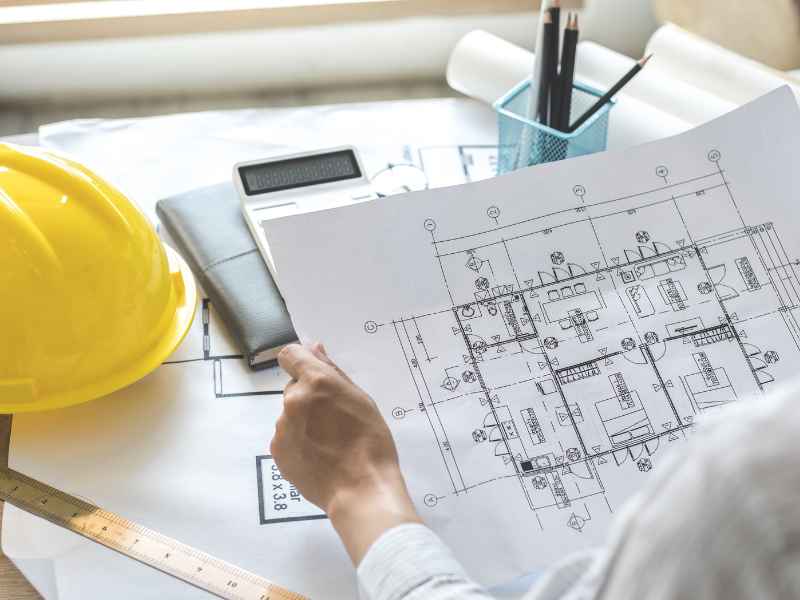
How an Interior Designer Collaborates With Your Builder From Day One
When you hire a builder in Ambler for a new construction or full renovation, the design decisions start before the first nail goes in.
We step in at the beginning to handle all finish specifications, so your builder never has to wait on a material call to keep the crew moving. That means cabinet specs, flooring selections, fixture schedules, and surface finishes are ready when each trade phase starts.
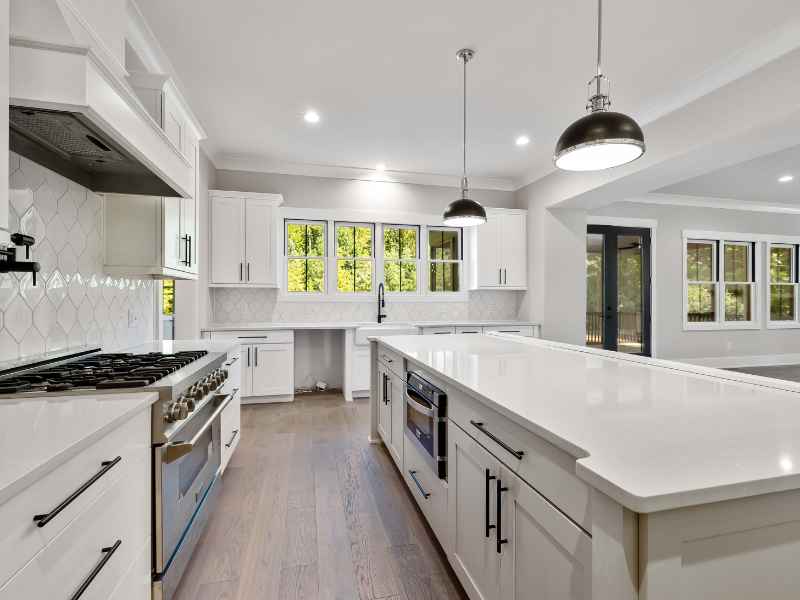
Builder collaboration experience
Ambler has a mix of historic rowhomes and newer infill builds. That range means we adjust to varied structural constraints on each project, not just copy a standard finish package.
Our background at Drexel University in interior design and over 20 years of project experience means we know how to work inside real building conditions, not just on mood boards.
Why Spatial Layout Is the First Problem to Solve Before Finishes Are Chosen
If you have already started choosing tile and paint colors but have not reviewed your floor plan closely, stop. Furniture scale and traffic flow need to be resolved on paper before walls go up. Fixing a layout on a drawing costs nothing. Fixing it after drywall is installed costs real money and delays your whole schedule.
Older Ambler neighborhoods like Lindenwold have narrow lot lines. That creates tight floor plans where a poor early spatial decision can leave you with a room that cannot fit a dining table or a hallway too narrow for code. We review every floor plan for function before a single finish is selected, so your builder is working from a layout that actually lives well.
Before you commit to a design partner for your Ambler build, verify a few things. First, ask for examples of past builder collaboration, not just finished room photos. Portfolio images show style. Spec sheets and builder references show whether the designer can actually support an active construction project.
Second, if your project is near the Ambler Borough historic district, verify that the designer knows how preservation guidelines affect material and finish decisions. Not every designer has worked inside those parameters. Third, confirm the designer is licensed and insured. Foundry Design Group carries both. We are also certified through Villanova in project management, which matters when you are coordinating with a builder across multiple trade phases.
Client Reviews
What Our Clients Say
"Michele is intelligent and highly professional. I would recommend her to anyone looking for a interior designer. In fact we may very well use her in the future for other projects."
"Working with Michele was an inspiring experience, as she brought ideas to life in a way that exceeded my expectations. Her passion for design and her commitment to client satisfaction are what truly set her apart. I wholeheartedly recommend her to anyone looking to create spaces that reflect their unique style and aspirations. Thank you, Michele, for your incredible work—you have a true gift!"
"Michele is amazing! She's sharp, efficient, and has an incredible eye for detail. Coming from a similar background, I can tell she really knows her stuff when it comes to the technical side of design and project management. She handles everything from full-service design and contractor coordination to furniture selection and space planning. If you're looking for someone who is efficient and truly understands the industry, I'd highly recommend reaching out to Foundry Design Group!"
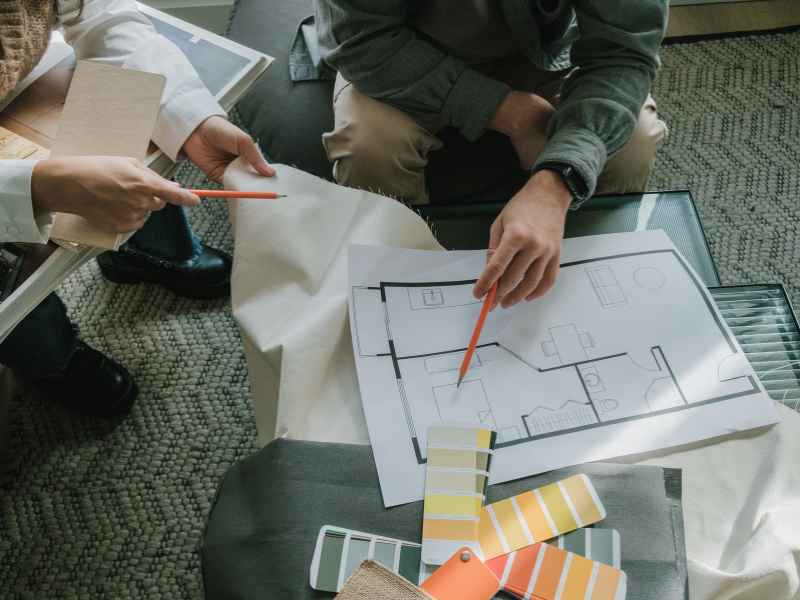
How Early Designer Involvement Prevents Costly Change Orders in Ambler
Change orders are expensive. The most common cause is a design decision that gets made mid-build after framing, rough-in, or drywall is already done. When we are involved before framing starts, those decisions are already resolved. The builder works from a complete set of specs, not a partial one.
Ambler also has seasonal build windows that make pre-construction planning especially valuable. Cold-weather months limit concrete pours and exterior work. That means fall and winter are the right time to finalize interior decisions before spring construction resumes. Getting design work done during the off-season keeps your project on pace when building conditions open back up.
Common Questions
Frequently Asked Questions
When in the build process should I bring in an interior designer in Ambler?
Bringing in an interior designer during the pre-permit phase gives you the most value. Before framing locks in your spatial decisions, a designer can review the floor plan, flag layout issues, and begin building a finish schedule. The earlier we are involved, the fewer costly adjustments your builder has to absorb later.
What exactly does an interior designer handle that my builder does not?
An interior designer handles finishes, materials, spatial layouts, and furnishing plans. That is separate from what your builder manages, which includes permits, budgets, and construction oversight. The two roles are complementary. When each party handles their area, the project moves without overlap or gaps.
How do I know if a designer in Ambler has real experience working with builders?
Ask for examples of builder collaboration, not just a photo portfolio. A designer with real builder experience can show you documented spec sheets, finish schedules, and references from builders they have worked with directly. Photos show taste. Process documents and builder references show whether the designer can function on an active job site.
What happens if my builder and designer disagree on a material or timeline?
A strong designer documents every decision and communicates in formats the builder can use directly. When disagreements come up, there is a clear record of what was decided, when, and why. That documentation prevents disputes from becoming delays and keeps both parties working from the same information.
Can an interior designer help with a renovation in an older Ambler home, not just new construction?
Yes, older homes in Ambler are exactly the kind of projects where design support matters most. Original structure, narrow room dimensions, and dated material substrates all require spatial and material decisions that respect what is already there while meeting how you actually want to live. We have handled both new construction and renovations in older Ambler homes.
What is one sign that a designer is not a good fit for a builder project?
A designer who agrees with every idea without asking how it affects the build sequence or material lead times is not ready for builder collaboration. Good design on a construction project requires pushback when something will cause a delay or conflict with a trade schedule. A designer who only says yes is not protecting your project.